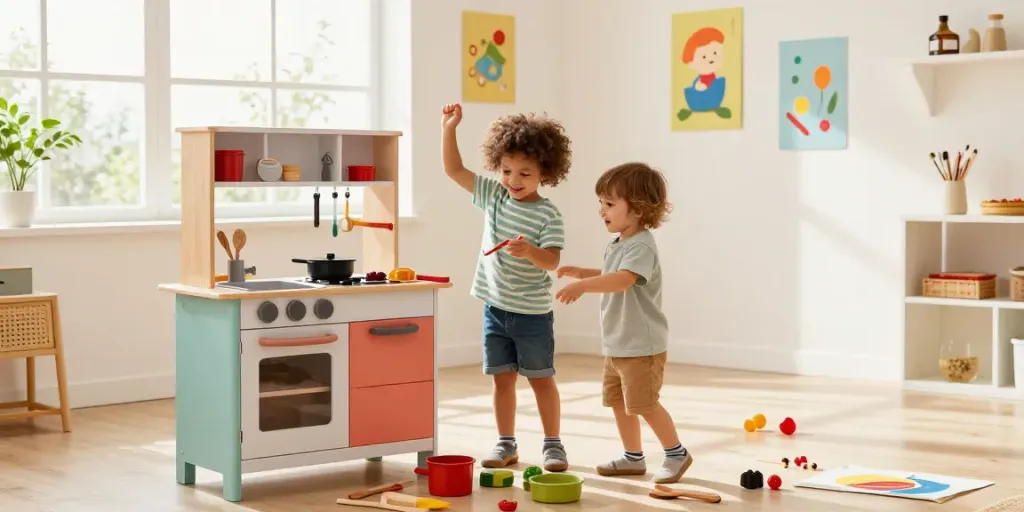
Understanding the Importance of Kids Kitchens
In a world where creativity and interactive play are essential for child development, kids kitchens offer an engaging platform for children to explore. These playsets are not just toys; they are invaluable tools that nurture a child's imagination, enhance social skills, and promote cognitive development through imaginative play. When exploring options, kids kitchen sets come in various styles, making it easier for parents to find the perfect fit for their child.
Why Kids Kitchen Sets Foster Creativity?
Kids kitchen sets encourage imaginative thinking as children role-play various scenarios such as cooking meals, hosting dinner parties, or running a restaurant. This type of pretend play not only stimulates creativity but also enhances problem-solving skills. Children often invent recipes, negotiate roles with playmates, and navigate the intricacies of social interactions—all of which are beneficial for their developmental growth.
The Role of Play in Child Development
Play is a critical aspect of child development. It allows children to process their experiences and learn about the world around them. Through play kitchens, children can practice important life skills such as sharing, teamwork, and communication. Furthermore, as they imitate adult behaviours, they gain insights into daily routines and responsibilities, which helps them understand societal norms and expectations.
How Family Engagement Enhances Playtime
When families engage in playtime activities, such as using a kids kitchen together, they strengthen their bonds and foster a supportive environment for learning. Parents can introduce fun cooking concepts, discuss healthy eating habits, and even teach basic culinary skills, all while enjoying quality time with their children. This shared experience not only reinforces familial relationships but also maximises the educational potential of the playset.
Choosing the Right Kids Kitchen Set
Selecting the ideal kitchen set for your child can be a daunting task, given the plethora of choices available. However, understanding the various options can help simplify the decision-making process, ensuring that the play kitchen you choose meets both your child's developmental needs and interests.
Different Types of Kids Kitchen Sets Available
Kids kitchens come in various forms—ranging from compact table-top models to elaborate, full-sized play kitchens. Some sets feature built-in appliances such as microwaves, ovens, and dishwashers, while others include accessories like utensils and play food. Additionally, there are themed kitchens that cater to specific interests, such as pizza-making kits or bakery sets, offering a unique twist on traditional cooking play.
Safety Features to Look For in Kids Kitchen Products
Safety is paramount when selecting a play kitchen. Ensure that the materials used are non-toxic and free from harmful chemicals. Additionally, look for designs with rounded edges to prevent injuries. Sturdy construction is crucial to withstand the wear and tear of enthusiastic play. Check for safety certifications and customer reviews to gain insights into the product's quality and durability.
Age-Appropriate Kitchen Sets for Different Developmental Stages
Different age groups have varying needs and capabilities when it comes to play. For toddlers, simple, brightly coloured sets with fewer components work best, as they are easier to manipulate. As children grow, their play kitchens can evolve to include more complex features that challenge their creativity and skills. For instance, preschoolers might enjoy interactive kitchens with sounds, while older children may prefer more elaborate setups that mimic real-life cooking.
Innovative Features in Kids Kitchen Sets for 2026
The landscape of kids kitchens is evolving, with manufacturers increasingly integrating innovative technologies and designs that enhance playtime experiences. As we look ahead to 2026, here are some trends to keep an eye on.
Smart Technology Integration in Play Kitchens
With the rise of smart home technology, kids kitchens are beginning to incorporate interactive elements such as touch-screen displays and mobile app integration. These features allow children to follow recipes, play cooking games, or even control lights and sounds, thereby adding a whole new dimension to pretend cooking experiences.
Eco-Friendly Materials and Sustainability Trends
Parents today are more conscious of the environmental impact of their purchases. As a result, many companies are shifting towards using sustainable materials such as recycled plastics and responsibly sourced woods in their kitchen sets. This not only ensures safety but also teaches children the importance of caring for the environment from a young age.
Customisation Options for Personalised Play Experiences
In 2026, we expect to see an increase in personalised play kitchens that allow children to select themes, colours, and accessories. This level of customisation encourages children to express their individuality and makes play more engaging. For example, children might choose to add a unique decal or play food set that aligns with their preferences, making their kitchen truly their own.
Real-World Benefits of Having a Kids Kitchen at Home
Investing in a play kitchen goes beyond mere entertainment; it offers various real-world benefits that can positively influence your child's growth and development.
Encouraging Culinary Skills in Young Chefs
Through play kitchens, children can develop essential culinary skills such as measuring, mixing, and even basic cooking techniques. These early experiences can foster a lifelong appreciation for cooking and even inspire healthier eating habits as they learn to prepare their meals.
Promoting Social Skills Through Collaborative Play
Kids kitchens provide an excellent opportunity for collaborative play, which is crucial for developing social skills. When children play together, they learn to take turns, negotiate roles, and work as a team—all vital skills that will serve them well in school and later in life. Engaging in role-playing exercises helps them understand different perspectives and promotes empathy.
How Kids Kitchens Can Inspire Healthy Eating Habits
As children engage in pretend cooking, they are often exposed to various food items and ingredients, which can stimulate interest in healthy eating. Parents can use play kitchens as an educational tool to talk about nutrition, portion control, and the importance of balanced meals, helping to instil healthy eating habits from an early age.
Future Trends in the Kids Kitchen Market
The kids kitchen market is continuously evolving, reflecting broader trends in toy design and childhood education. Here are some potential future trends we can anticipate.
Emerging Designs and Concepts to Watch
As aesthetics become increasingly important, expect to see stylish, modern designs that fit seamlessly into home decor. Play kitchens will likely feature sleek lines and contemporary colours that appeal to both children and parents, making them attractive additions to playrooms or living spaces.
The Rise of Interactive and Educational Playsets
As education-focused play becomes more prominent, we can expect interactive kitchens that offer educational features—such as teaching basic math through measuring ingredients or introducing various culinary techniques. These playsets will not only entertain but also enrich children's understanding of the world around them.
Predicting Consumer Preferences for 2026 and Beyond
As parents continue to seek more educational and developmentally beneficial toys, the demand for multifunctional kids kitchens will rise. Consumers will likely favour products that offer both entertainment and educational value, leading manufacturers to innovate and incorporate more features that enhance learning through play.
What is the best kitchen for kids?
The best kitchen for kids combines safety, durability, and engaging features. Parents should consider options that reflect their child's interests while providing opportunities for creativity and social interaction.
What age to get rid of kids kitchen?
Children typically outgrow their play kitchens around ages 8 to 10, though it may vary based on individual interests and developmental stages. Signs of losing interest may include a lack of engagement during playtime or preferring other activities.
How much does a kitchen set for kids cost?
The price of kids kitchen sets can vary significantly based on size, materials, and features. Basic models start around £50, while larger, more elaborate sets can reach upwards of £200 or more. It’s essential to find a balance between quality and cost.
Where can you buy kids kitchens?
Kids kitchens can be purchased from various retailers, both in physical stores and online. Popular options include toy shops, department stores, and dedicated online platforms that offer a wide range of selections.
What features are essential for kids kitchens?
Key features to look for in kids kitchens include safety features such as rounded edges, non-toxic materials, and interactive elements like sounds or lights. Additionally, realistic appliances and enough storage for accessories enhance playability and engagement.